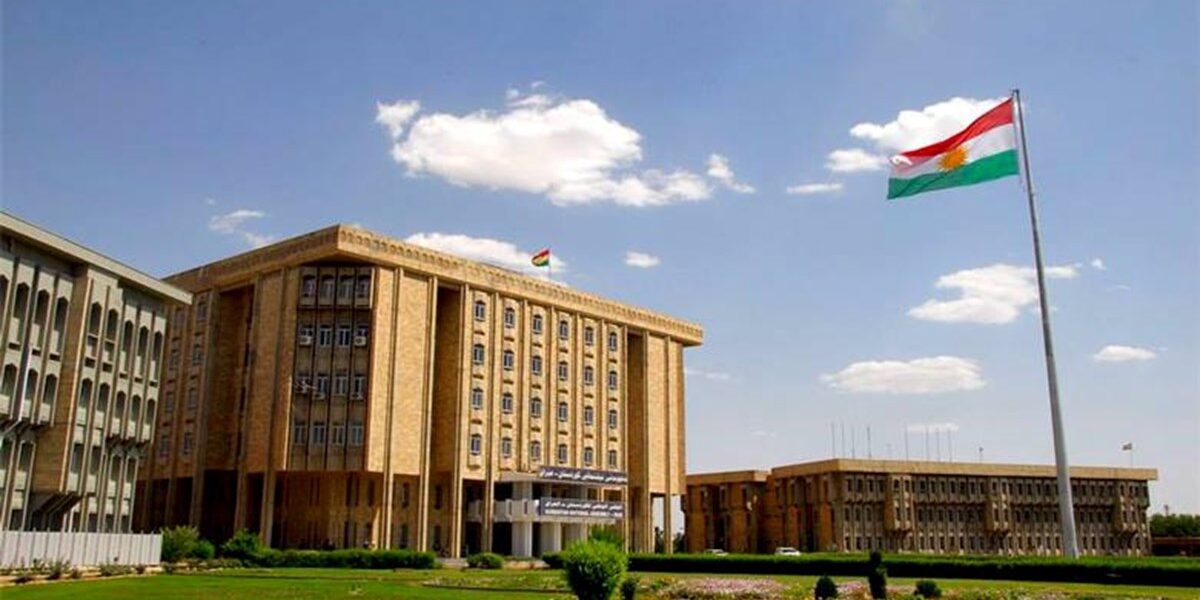
The Kurdistan Region has remained without a functioning government and a reactivated parliament since the October 2024 elections. This marks one of the most prolonged periods of institutional dysfunction in the region’s post-2003 history, raising concerns about governance capacity, public service delivery, and the KRI’s ability to respond to external threats, including those stemming from the Iran-Israel conflict and ongoing militia activity in Iraq.
The 39-vs-39 Parliamentary Equation
The central arithmetic of the current impasse is rooted in the results of the October 2024 elections. The KDP secured 39 of the 100 parliamentary seats, while the PUK obtained 23 seats. Following the elections, the PUK forged a strategic alliance with the New Generation Movement (NGM), which holds 15 seats, bringing the PUK-NGM bloc to 39 seats, a figure that precisely mirrors the KDP’s own total. Additional smaller parties account for the remainder.
This arithmetic has transformed what was initially a KDP-dominant electoral outcome into a near-parity negotiating standoff. PUK President Bafel Talabani and party figures have consistently stated that the PUK and its allies, with 39 seats, are entitled to an equal share of governance, including civilian ministerial posts that the party views as essential to changing the ‘way the government is run.’
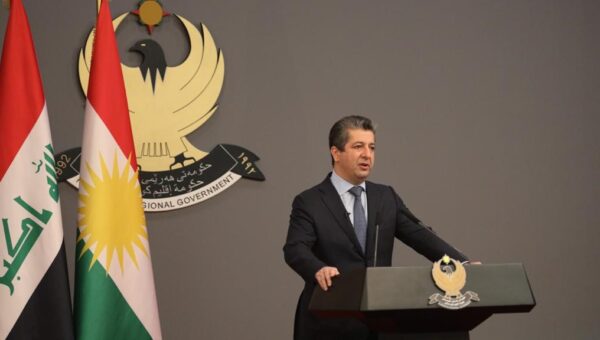
Abbas Fatah, a PUK leadership member, stated on June 3 that the PUK had not emphasised post distribution per se, but was focused on a structural shift in how the government operates. This suggests the PUK’s demands go beyond portfolio allocation and include systemic governance reforms, a position that the KDP, which controls the current caretaker administration under Prime Minister Masrour Barzani, has shown limited appetite to accept.
KDP-PUK Rapprochement Signals
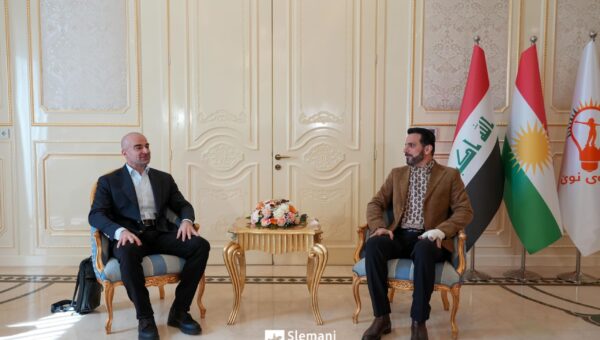
Despite the structural deadlock, this reporting period saw several concrete diplomatic gestures. On June 1, Ari Hersin, head of the KDP’s Fourth Branch, led a delegation to the PUK’s Sulaymaniyah headquarters to offer congratulations on the party’s 51st anniversary, a symbolically significant visit given the absence of formal political dialogue in recent months.
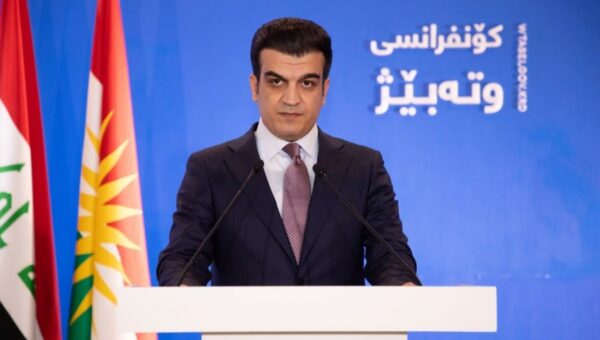
Hersin explicitly stated that negotiation delegations from both parties are prepared to return to the negotiating table, adding that the KDP and PUK ‘must fulfill their responsibilities and should not remain divided.’ PUK spokesperson Karwan Gaznayi confirmed the parties share ‘substantial common ground,’ and that an agreement between the PUK and NGM on a joint negotiating stance would be formalised shortly.
The PUK’s position, as articulated by Gaznayi, is that the PUK and NGM, with Gorran Movement’s sole MP is expected to join, will enter talks with the KDP as ‘one package,’ consolidating their 39-seat bloc into a unified negotiating unit. The KDP, for its part, has reiterated that parliament belongs to the voters, not to any party, and must be reactivated.
Prime Minister Masrour Barzani, in a June 4 press conference, stated that 18 months have passed since elections without implementation of their results, and called on parties to prioritise public interest. He also noted that no date has yet been set for a formal KDP-PUK meeting.