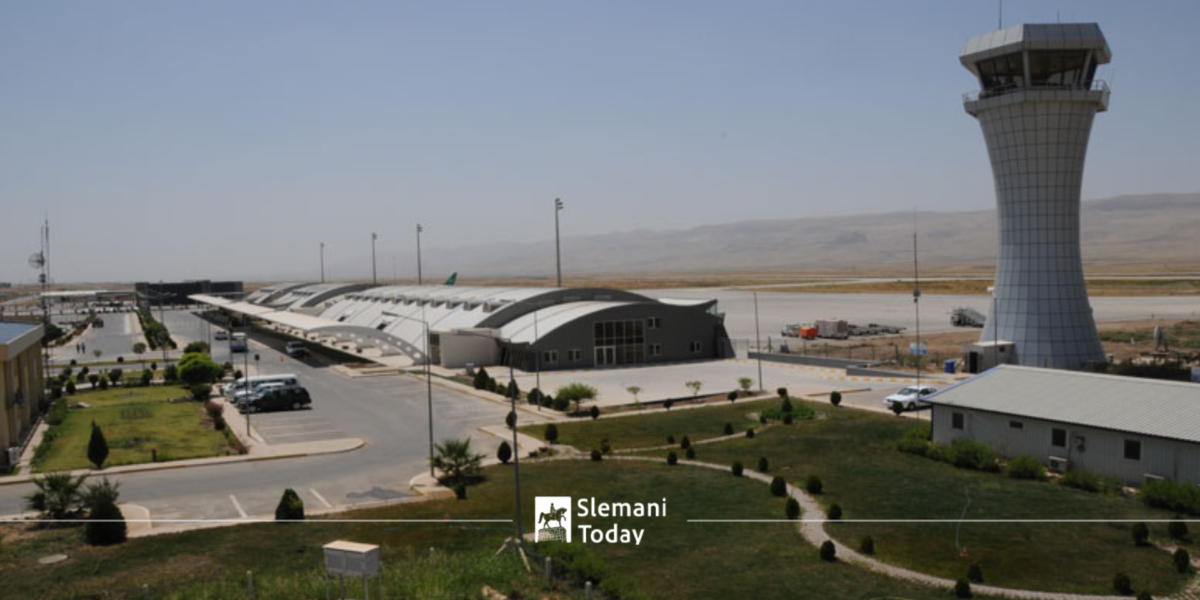
Slemani — Iraqi federal government policies granting subsidized foreign currency to Umrah pilgrims departing from Kirkuk and Mosul airports are diverting travelers away from the Kurdistan Region’s airports, Kurdish officials said on Sunday, arguing that the measure places Erbil and Slemani at a significant competitive disadvantage.
Under the federal government’s current policy, Iraqi citizens traveling to Saudi Arabia for Umrah through Kirkuk and Mosul airports can purchase up to $2,000 at the Central Bank of Iraq’s official exchange rate of 1,320 Iraqi dinars per U.S. dollar. Because the official rate is lower than the market rate, pilgrims can save an estimated $200 to $250 on their travel expenses.
Erbil International Airport Director Ahmed Hoshyar said the financial incentive has prompted many pilgrims to choose federal airports over those in the Kurdistan Region.
“The main reason Umrah pilgrims are heading to Kirkuk and Mosul airports is that they receive dollars at the Central Bank’s official exchange rate there, reducing part of their travel costs,” Hoshyar said.
He added that if Baghdad and the Central Bank extended the same foreign currency facilities to passengers departing from Erbil and Slemani, travelers would be more likely to use the Kurdistan Region’s airports.
Rozhgar Jaafar, head of media for the Kurdistan Region’s Ministry of Endowments delegation, echoed that assessment, saying the difference in exchange rates has encouraged pilgrims to bypass Erbil and Sulaymaniyah in favor of federal airports to lower their travel expenses.
Kurdish officials and observers argue that the policy goes beyond economic considerations, describing it as part of broader pressure on the Kurdistan Region.
According to Kurdish officials, restricting access to subsidized dollars at Erbil and Sulaymaniyah airports has reduced the competitiveness of the Region’s aviation sector while encouraging travelers to use the newly expanded airports in Kirkuk and Mosul, both of which operate under the federal government’s direct authority.
Baghdad has not publicly stated that the policy is intended to disadvantage the Kurdistan Region. However, Kurdish officials contend that the exclusion of Erbil and Slemani from the financial incentives is having a direct impact on passenger traffic and the Region’s tourism and air transport sectors.