Slemani — The legal team representing Lahur Sheikh Jangi has accused judicial authorities in Sulaymaniyah of political interference and obstructing the judicial review of the cases involving the “Lalezar detainees,” while warning that several detainees face serious health risks after nearly 11 months in detention.
During a press conference on Wednesday, the defense team called on domestic and international human rights organizations to intervene, arguing that the detainees have been held without a proper legal framework since their arrest following the August 2025 clashes at the Lalezar Hotel.
The lawyers alleged that the detainees were arrested by what they described as a partisan force and have since been held as “political hostages,” claiming their continued detention violates Iraqi law, the Iraqi Constitution, and international human rights standards.
According to the legal team, the physical and psychological condition of several detainees has deteriorated significantly due to what they described as inhumane treatment and prolonged detention. They warned that the situation poses a serious threat to the detainees’ health.
The lawyers also accused the Sulaymaniyah Court of Appeal of refusing to transfer case files to the Kurdistan Region Court of Cassation despite 12 formal requests from the higher court. They argued that the refusal undermines judicial hierarchy and prevents the country’s highest judicial authority from reviewing the cases.
The defense team questioned whether judges associated with the “Green Zone” of Sulaymaniyah were acting independently or under political direction. Citing Article 35 of the Kurdistan Region Judicial Authority Law No. 23 of 2007, they argued that judges are legally required to remain politically neutral and uphold the integrity of the judiciary.
The lawyers said withholding case files from the Court of Cassation deprives defendants of their constitutional right to appeal and have their convictions reviewed by a higher judicial authority. They further argued that the accumulation of unresolved cases, prolonged detention, and the failure to transfer files have created a legal vacuum that constitutes a serious violation of due process and human rights.
“As lawyers and legal experts, we declare that the president and members of the Kurdistan Region Court of Cassation, as well as the president and members of the Sulaymaniyah Court of Appeal, must fulfill their legal duty to protect the dignity of the judiciary and adhere to impartiality,” the legal team said.
Defense lawyer Dana Taqideen told reporters that the Sulaymaniyah court was operating under partisan influence. He said Lahur Sheikh Jangi had informed the legal team that while some detainees were not participating in a hunger strike, others held in separate detention facilities had begun one in protest over what they viewed as judicial inaction.
The defense team said it does not support the hunger strike because of its potential impact on the detainees’ health.
Taqideen also said Lahur Sheikh Jangi rejects any political settlement that bypasses judicial procedures, insisting that the allegations against him should be resolved through legal channels.
“I have been accused, and the law must settle the matter,” Taqideen quoted Lahur as saying.
The lawyer further alleged that no case documents had been transferred from Sulaymaniyah to the Court of Cassation for nearly a month and claimed that judges from Sulaymaniyah serving on the Court of Cassation had returned to the city.
The judiciary in Sulaymaniyah had not publicly responded to the allegations at the time of publication.
Background
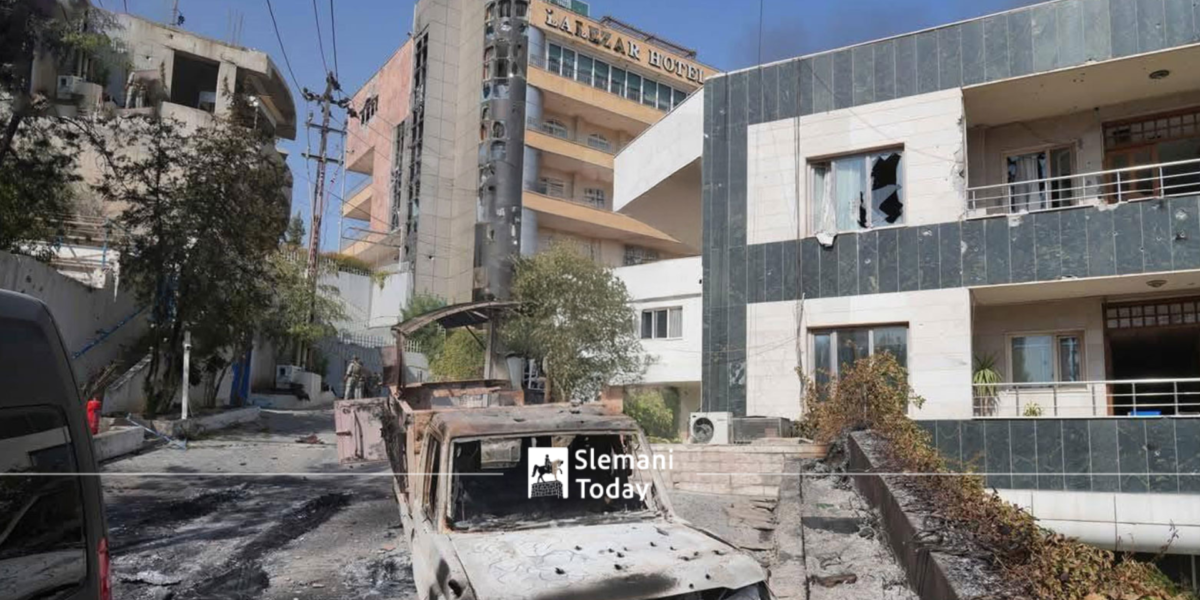
The legal dispute stems from armed clashes that erupted on the night of Aug. 22, 2025, near the Lalezar Hotel in Sulaymaniyah between forces affiliated with the Patriotic Union of Kurdistan (PUK), led by Bafel Talabani, and armed supporters of Lahur Sheikh Jangi.
The hours-long confrontation resulted in multiple deaths and injuries on both sides. Following the clashes, Lahur Sheikh Jangi and dozens of his supporters were arrested, leading to a series of legal proceedings that remain ongoing. The case has become one of the Kurdistan Region’s most politically sensitive judicial disputes, with the defense consistently alleging political interference, while authorities have maintained legal proceedings are being conducted under the rule of law.