Slemani — Thousands of residents across more than 10 neighborhoods in Slemani continue to face severe water shortages despite abundant rainfall and rising water levels at Dukan Dam, with some households receiving running water only once every five to seven days due to technical failures in the city’s water supply system.
Residents in affected areas say the ongoing crisis has disrupted daily life, forcing many families to rely on expensive water tankers or seek help from relatives in other neighborhoods.
In the Kani Spika neighborhood, where nearly 300 households have struggled with water shortages during the past two summers, residents described the situation as increasingly unbearable.
“There is no water. When it finally comes, it only sputters with air and foam,” resident Kamaran Mohammed said, adding that while he lives alone, larger families are facing much greater hardship.
Another resident, Omar Ali, accused local authorities of failing to address the issue, saying government departments continue to shift responsibility instead of providing solutions. As a result, many households have been forced to purchase water from private tanker services.
The problem extends beyond Kani Spika. In the Sarchia neighborhood, residents report going without water for an entire week. One resident, Shna Ali, said the shortage has forced her family to transport clothes and household items to relatives’ homes in other neighborhoods for washing.
“We constantly monitor our phones to know when the water will return,” she said.
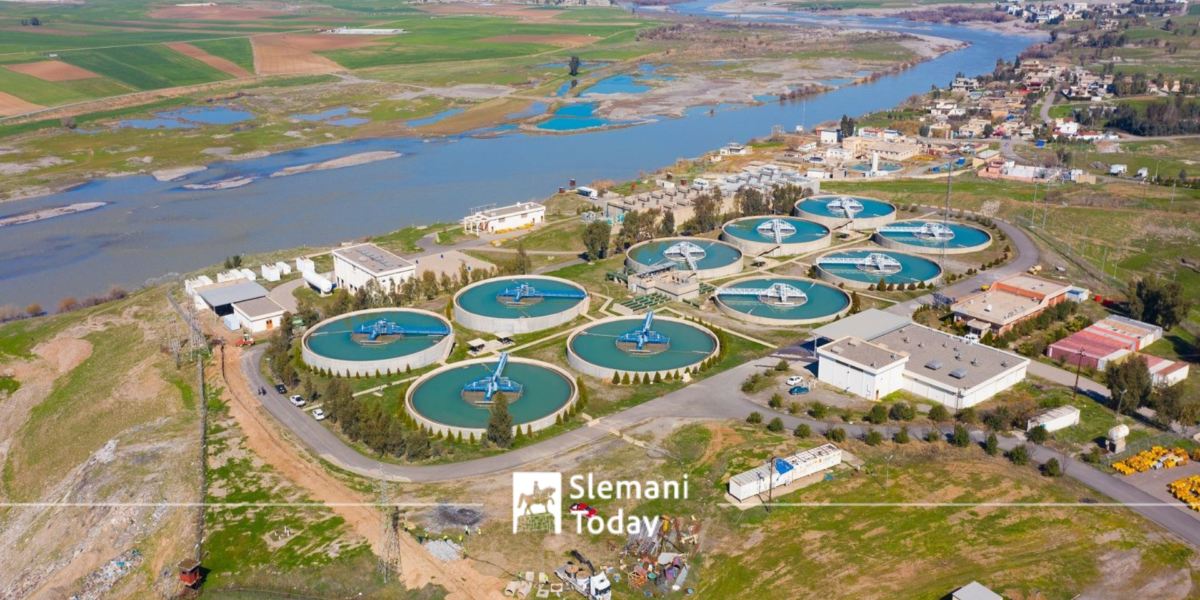
According to the Sulaimani Water Directorate, the affected neighborhoods are supplied through the second phase of the Dukan-Slemani water project, where malfunctioning pumps have significantly reduced water distribution. Areas that previously received water every three days are now supplied only once every five to seven days.
The directorate’s spokesperson, Amanj Jalal, said three new pumps have recently arrived and are expected to improve the situation.
“God willing, the water shortage problem will be resolved,” Jalal said, adding that authorities aim to fully restore the system by August.
Water sector experts argue that temporary repairs alone will not solve Sulaimani’s recurring water shortages. They say the city requires the completion of the third phase of the Dukan-Sulaimani water project, which remains under construction, as well as sufficient funding for regular maintenance of aging pumps and pipelines.
Until the new equipment becomes operational, residents in the affected neighborhoods are expected to continue relying on water tankers to meet their daily needs.