Slemani — The complex relationship between political power and media organizations in the Kurdistan Region has entered a new phase, with signs that several media outlets affiliated with or close to the Kurdistan Democratic Party (KDP) are increasingly distancing themselves from Kurdistan Regional Government (KRG) spokesperson Peshawa Hawramani.
The development comes after years of fluctuating tensions between political institutions and media organizations, reflecting broader struggles over influence, messaging, and public perception in the Kurdistan Region’s highly politicized media environment.
Observers note that disputes between political actors and media outlets are not unusual in Kurdistan. However, the current situation surrounding Hawramani has drawn attention because it appears to represent a reversal of earlier dynamics, when media organizations themselves were the primary targets of political restrictions and boycotts.
Origins of the Dispute
The roots of the issue can be traced back to a period when official government and party institutions limited engagement with Rudaw Media Network, one of the region’s most prominent media organizations.
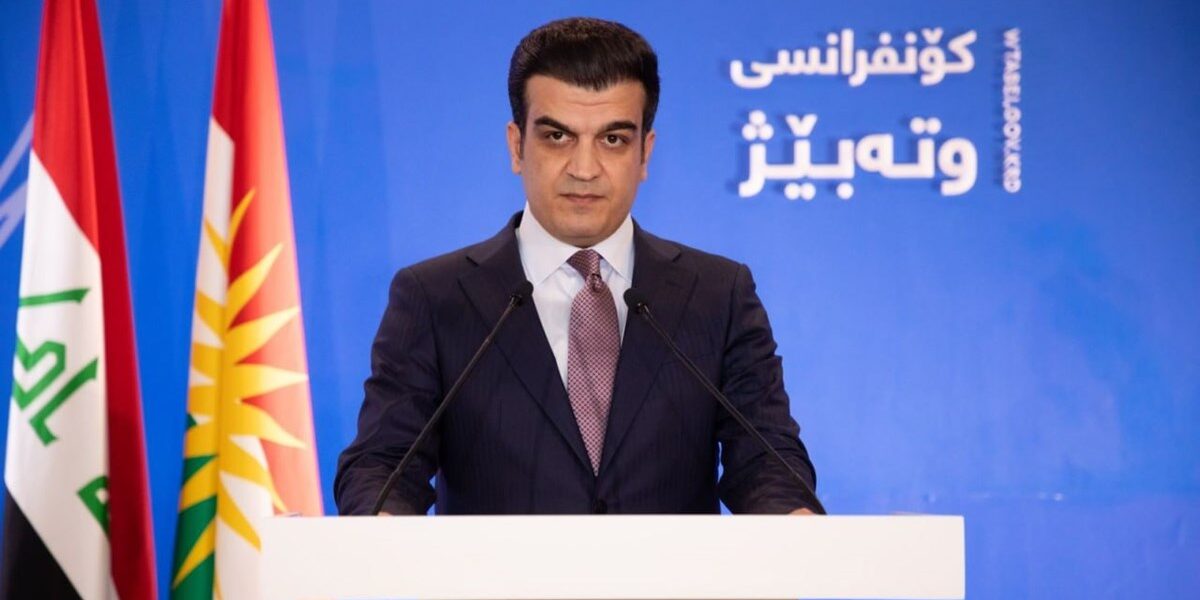
The tensions became publicly visible during preparations for an episode of the political talk show Bestoon Talk. Fazel Mirani, head of the Working Agency of the KDP Political Bureau, had initially been expected to appear on the program. However, following the release of promotional material for the episode, pressure reportedly mounted from within party circles. Faced with the choice between participating in the program and adhering to party directives, Mirani ultimately withdrew, resulting in the cancellation of the planned appearance.
The dispute expanded beyond individual programs and gradually affected broader media access.
During campaigning for the sixth term of the Kurdistan Parliament, journalists and media crews from Rudaw reportedly encountered obstacles while attempting to cover KDP election activities. The restrictions fueled debate among journalists and political observers regarding access to information and the treatment of media organizations during politically sensitive periods.
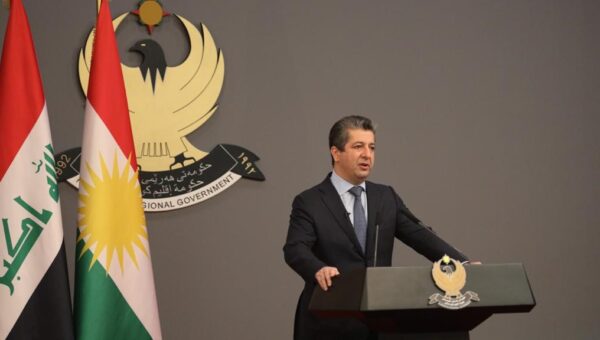
The confrontation reached one of its most visible moments on September 24, 2025, during a press conference held by KRG spokesperson Peshawa Hawramani. At the event, Rudaw’s microphone was absent from the podium setup. When a journalist questioned the decision, Hawramani responded by describing Rudaw as a “misleading media outlet,” a statement that quickly attracted attention across Kurdish political and media circles.
Reconciliation Between Political Leaders and Media
Despite the public nature of the dispute, political observers have long argued that media boycotts in the Kurdistan Region rarely become permanent.
Over time, communication channels between political leaders and media executives reopened. According to political sources familiar with the matter, discussions between senior officials and media representatives helped ease tensions and eventually paved the way for the restoration of normal relations.
As a result, restrictions that had affected Rudaw’s access to government and party institutions were gradually lifted. The media network resumed coverage of official events and regained access to government activities that had previously been limited.
The normalization of relations demonstrated the pragmatic nature of political-media interactions in the region. While disputes may become public and heated, they are often resolved when political interests align or when maintaining communication becomes strategically beneficial for both sides.
Political Fallout for Hawramani
While relations between political authorities and the media outlet improved, some analysts believe the controversy left a lasting impact on Hawramani’s political standing.
As the public face of the Kurdistan Regional Government, Hawramani has frequently defended government policies and addressed sensitive political issues. However, critics argue that some of his statements during periods of heightened tension created unnecessary political costs for the government.
Within political circles, there has been growing discussion that several of Hawramani’s public remarks generated controversy without delivering clear political advantages. According to observers, this perception may have weakened his influence among key decision-makers and reduced the strategic importance of his role compared with previous years.
Although no official statement has been issued regarding his standing within government institutions, media analysts point to subtle shifts in coverage patterns as indicators of changing political calculations.
Emergence of a New Media Strategy
Rather than engaging in direct confrontation, some media outlets appear to have adopted a quieter approach toward Hawramani.
According to journalists monitoring media content, official reports and television packages increasingly rely on footage from cabinet meetings and government events in which the spokesperson is either absent or receives minimal visual attention. The practice has been interpreted by some analysts as a deliberate effort to reduce his public profile without openly criticizing him.
This strategy differs from traditional political-media disputes, which often involve direct attacks, public statements, or formal boycotts. Instead, it relies on limiting visibility and reducing the prominence of a political figure within news coverage.
Media experts describe the approach as a form of “soft marginalization,” in which a public figure remains covered as part of routine news reporting but is no longer presented as a central actor in political developments.
Broader Media Realignments
Reports from sources familiar with the situation suggest that the trend extends beyond a single media organization.
There are indications that relations between Hawramani and other KDP-linked media outlets have cooled in recent months. While no formal policy has been announced, journalists say editorial priorities have shifted, resulting in less attention being devoted to the spokesperson’s activities and statements.
If the pattern continues, it could mark another example of how media visibility in the Kurdistan Region is often shaped by broader political calculations rather than solely by institutional roles.
The evolving situation also highlights a recurring feature of Kurdish politics: alliances and conflicts between media organizations and political actors are rarely static. Relationships frequently change in response to shifting priorities, internal party dynamics, and broader strategic considerations.
For now, neither government officials nor the media organizations involved have publicly commented on the reported changes in coverage. Nevertheless, the apparent decline in Hawramani’s media prominence is being closely watched by political observers, who view it as a reflection of deeper shifts within the region’s political and media landscape.