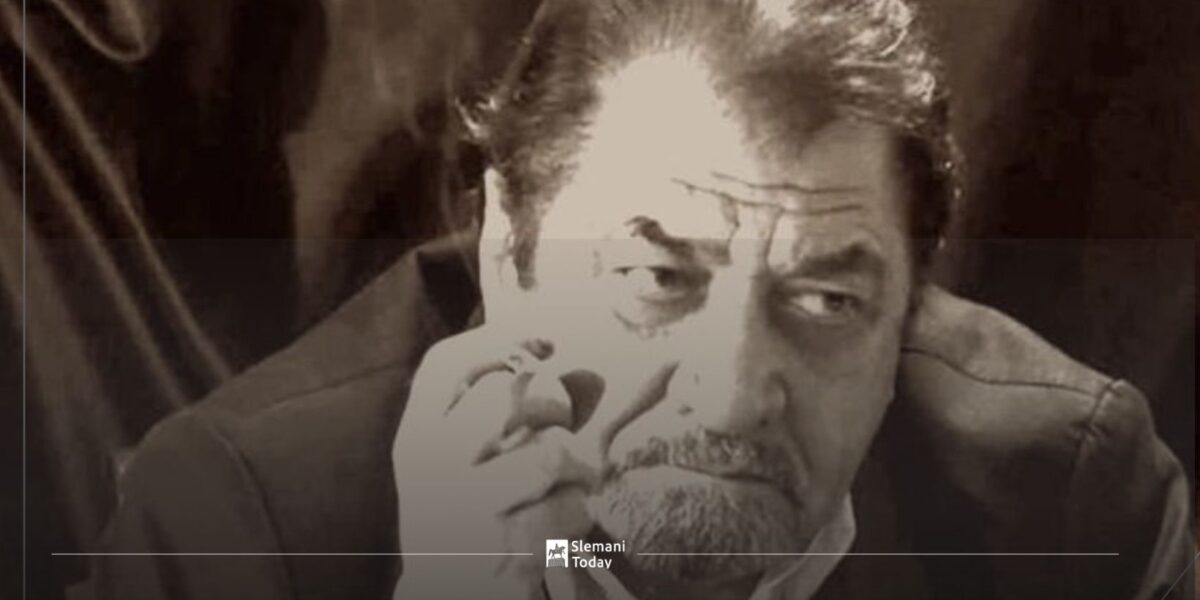
Slemani – Sherko Bekas poetry helped define modern Kurdish literature and established him as one of the most influential poets of the 20th century. Sherko Bekas co-founded contemporary Kurdish poetry and built a legacy rooted in resistance, identity, and cultural memory. He earned recognition as a national poet whose work carried both political and emotional depth.
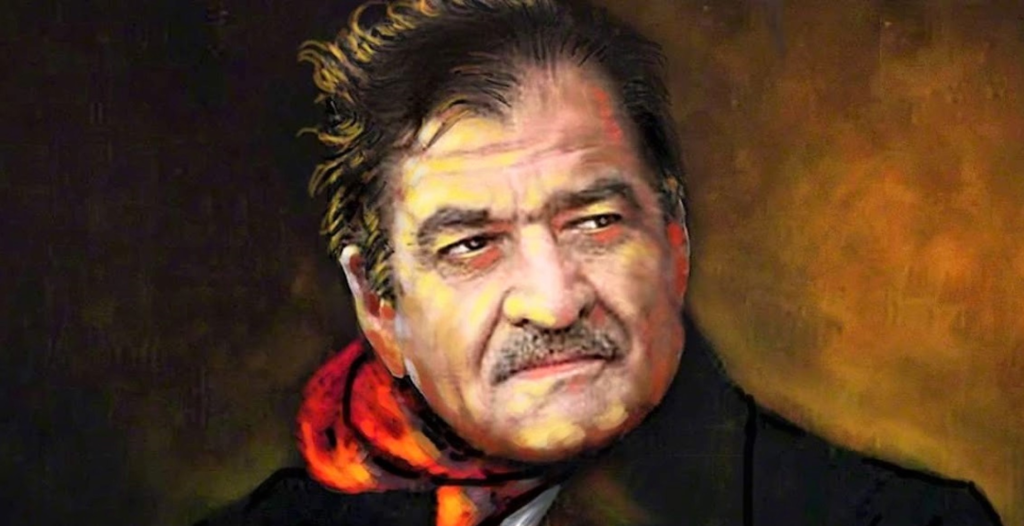
Bekas was born in 1940 in Slemani in southern Kurdistan. From an early age, he absorbed storytelling and poetry within his family environment. His father, also a poet, strongly shaped his early creative path. However, tragedy struck when his father died during Bekas’s childhood. As a result, he faced poverty and struggled through his education.
Sherko Bekas poetry began to emerge publicly when he published his first poem at the age of 17. A leading Kurdish poet mentored him during this early stage and encouraged stylistic freedom. Soon after, Bekas joined the Kurdish liberation movement in the 1960s. He worked in revolutionary media and also served with the Peshmerga. Consequently, his writing became closely linked with struggle and resistance.
In 1968, he released his first poetry collection in a traditional style. However, he quickly moved away from strict forms. Instead, he developed a freer and more experimental approach. This shift marked a major turning point in Sherko Bekas poetry. He introduced innovative concepts that blended imagination, symbolism, and emotional expression.
By the 1970s, Bekas created the idea of “poster poems.” These short works focused on small objects and everyday scenes. Nevertheless, they carried deeper symbolic meaning. Through this style, he challenged traditional structures and expanded Kurdish poetic expression.
During the 1980s, political pressure forced Bekas into exile in Sweden. He refused to write propaganda despite political offers and incentives. Instead, he chose exile and continued his literary work abroad. As a result, Sherko Bekas poetry gained international recognition and reached new audiences.
In exile, he produced some of his most powerful work. His epic poem Butterfly Valley responded to violence and suffering in Kurdistan. It reflected grief, memory, and displacement. At the same time, it reinforced his commitment to cultural identity and resistance.
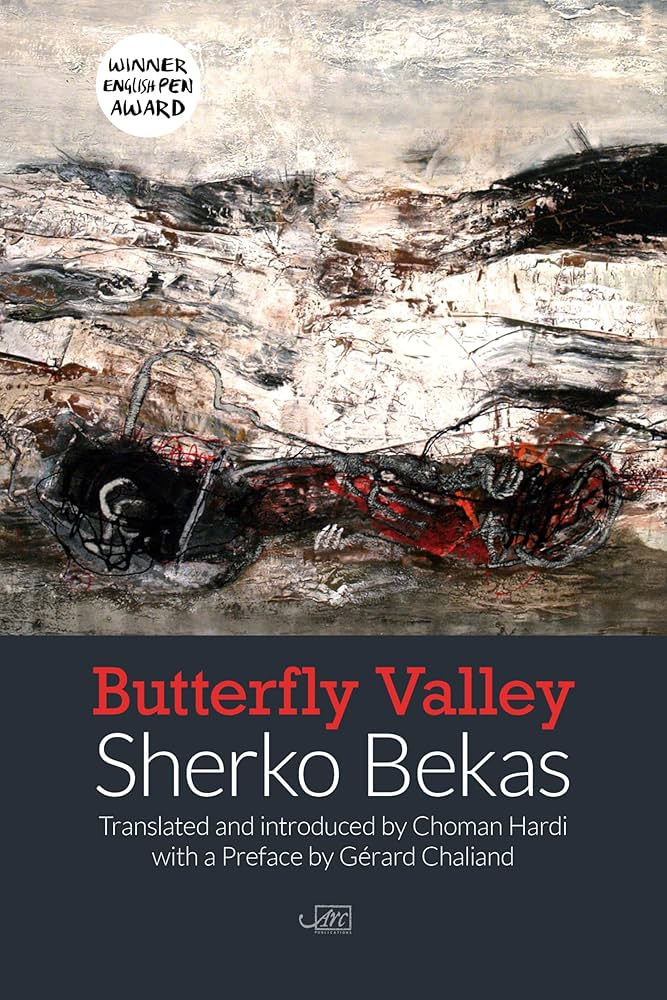
Later, Bekas returned briefly to Kurdistan after political changes. However, tensions with authorities led him back into exile. He continued publishing poetry and translating major world literature into Kurdish. In addition, his work appeared in multiple languages across Europe and the Middle East.
Sherko Bekas poetry often focused on freedom, love, nature, and collective struggle. He combined personal emotion with political themes in a distinctive voice. Therefore, critics often describe him as a poet of both resistance and humanity.
Bekas died in 2013 in Stockholm. Even so, his influence remains strong in Kurdish literature today. His work continues to inspire new generations of writers and readers. Sherko Bekas poetry still stands as a symbol of cultural resilience and artistic innovation.