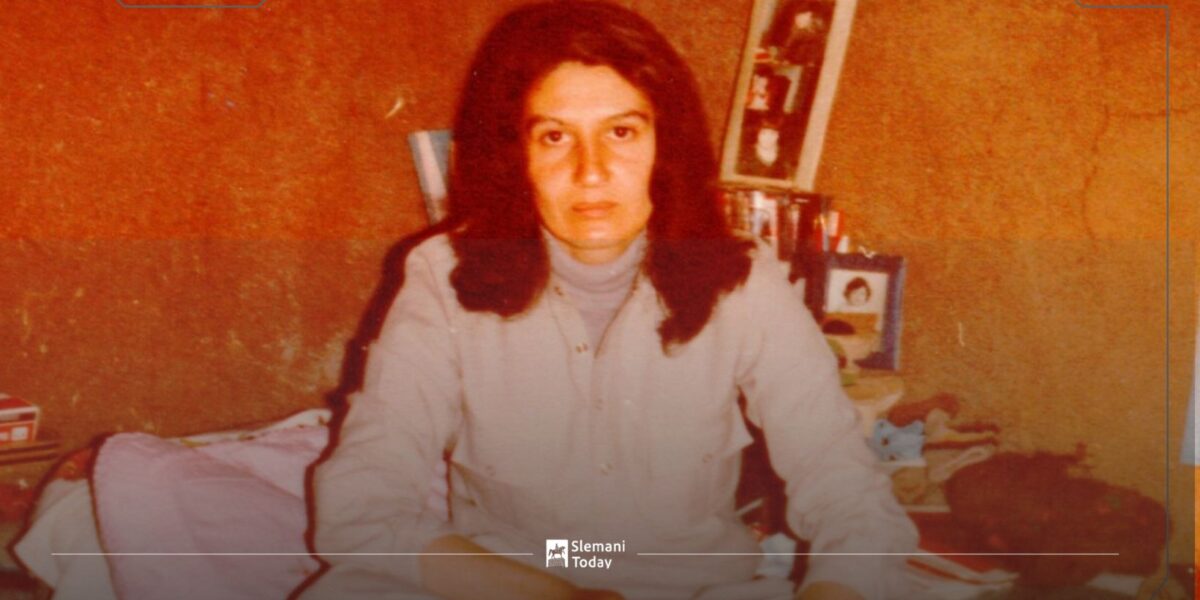
Slemani — Hero Ibrahim Ahmed stands among the most influential female figures in modern Kurdish political and social history. Throughout her life, she has combined political leadership, cultural preservation, media development, and humanitarian work, leaving a lasting impact on the Kurdistan Region.
Born into a prominent Kurdish family, Hero Ibrahim Ahmed followed in the footsteps of her father, the renowned Kurdish writer and politician Ibrahim Ahmed. From an early age, she developed a strong interest in politics, literature, and public service, values that would later shape her career.
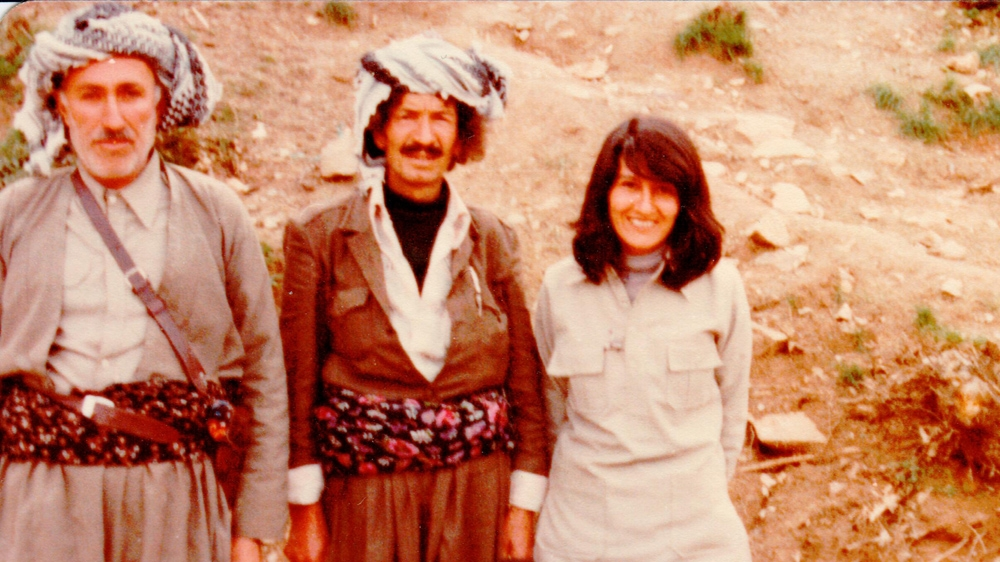
Hero Ibrahim Ahmed became widely known through her involvement in the Kurdish liberation movement. During difficult years of struggle, she joined the Peshmerga movement and spent time in the mountains alongside Kurdish fighters. Armed with a camera as well as political determination, she documented important moments in Kurdish history and helped preserve valuable records of the national struggle.
Her political influence grew through her long association with the Patriotic Union of Kurdistan (PUK), one of the region’s leading political parties. As the wife and closest political partner of the late President Jalal Talabani, she played an important role in supporting party activities and strengthening political dialogue during critical periods.
Following Talabani’s illness, Hero Ibrahim Ahmed emerged as an increasingly important political figure. Many observers viewed her as a stabilizing force within the PUK, helping maintain unity and guiding the party through challenging circumstances. Her leadership style emphasized moderation, consensus-building, and pragmatic decision-making.
Beyond politics, Hero Ibrahim Ahmed contributed significantly to Kurdish media development. She founded Khak TV and Khak Magazine, creating platforms that promoted cultural discussion, journalism, and public debate. She also played a key role in establishing Kurdsat, one of the first major Kurdish satellite television channels.
Her commitment to preserving Kurdish history remains one of her defining achievements. She supported the protection of the Amna Suraka Museum, a site that documents the suffering endured by Kurds under the former Iraqi regime. She also founded the Zamwa Museum and maintained a large personal archive dedicated to Kurdish history, photography, and mountain life.
Humanitarian work has also been a major part of her legacy. Hero Ibrahim Ahmed founded Save the Children in Kurdistan, helping support education, healthcare, and welfare programs for young people and vulnerable communities across the region.
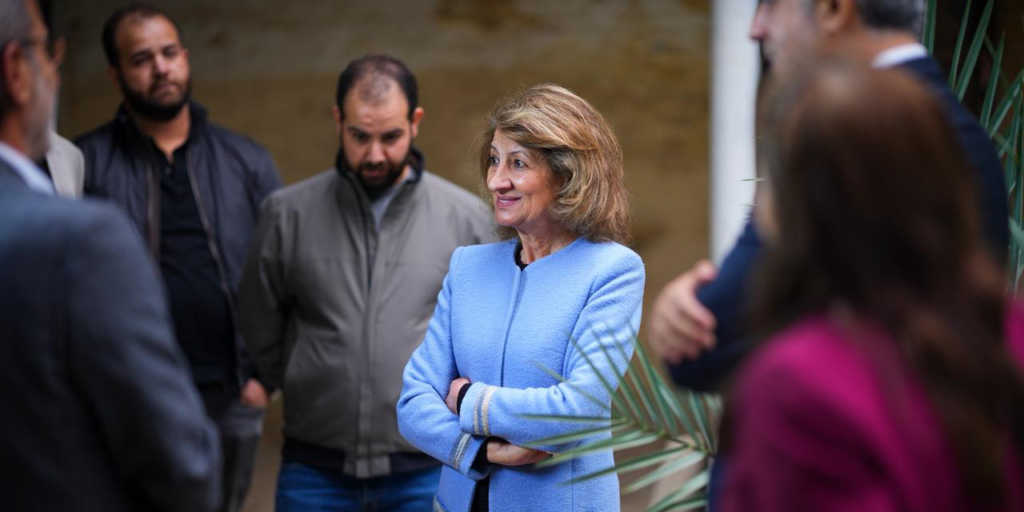
Colleagues often describe her as a calm and thoughtful leader. Although she rarely seeks public attention, she has earned a reputation as a skilled listener and a decisive voice during important discussions. Her ability to bring together different viewpoints has made her a respected figure across political and social circles.
Hero Ibrahim Ahmed remains one of the most recognizable and influential women in Kurdish public life. Her contributions to politics, media, culture, and humanitarian causes continue to shape the Kurdistan Region and inspire future generations.