Slemani Museum – A Journey Through 7,000 Years of History
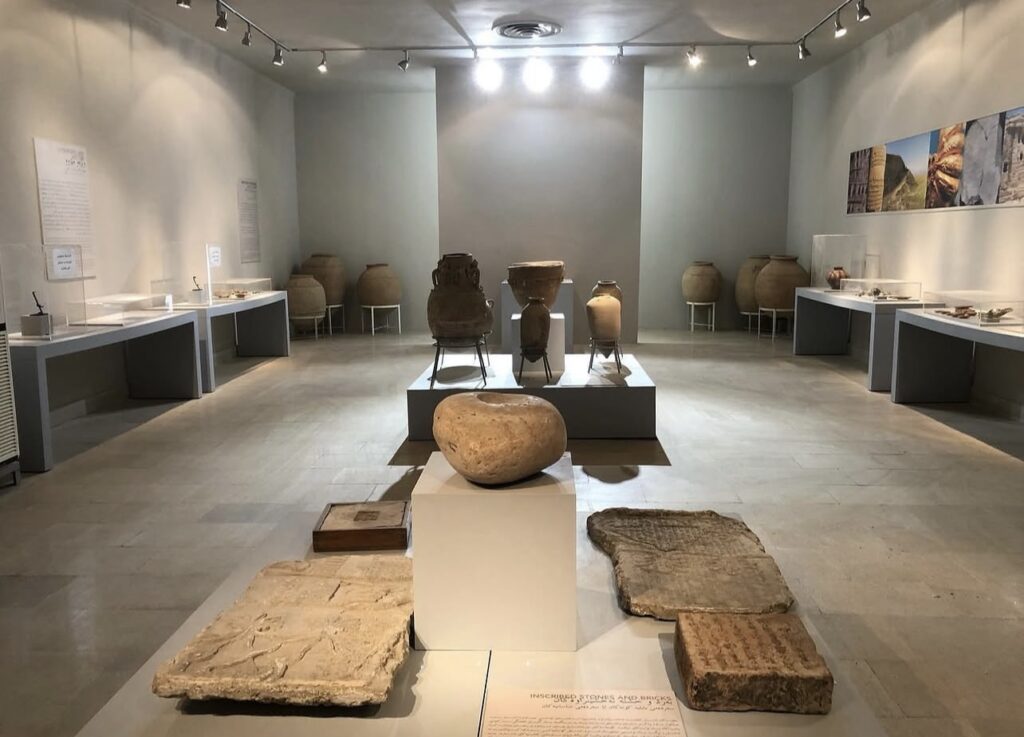
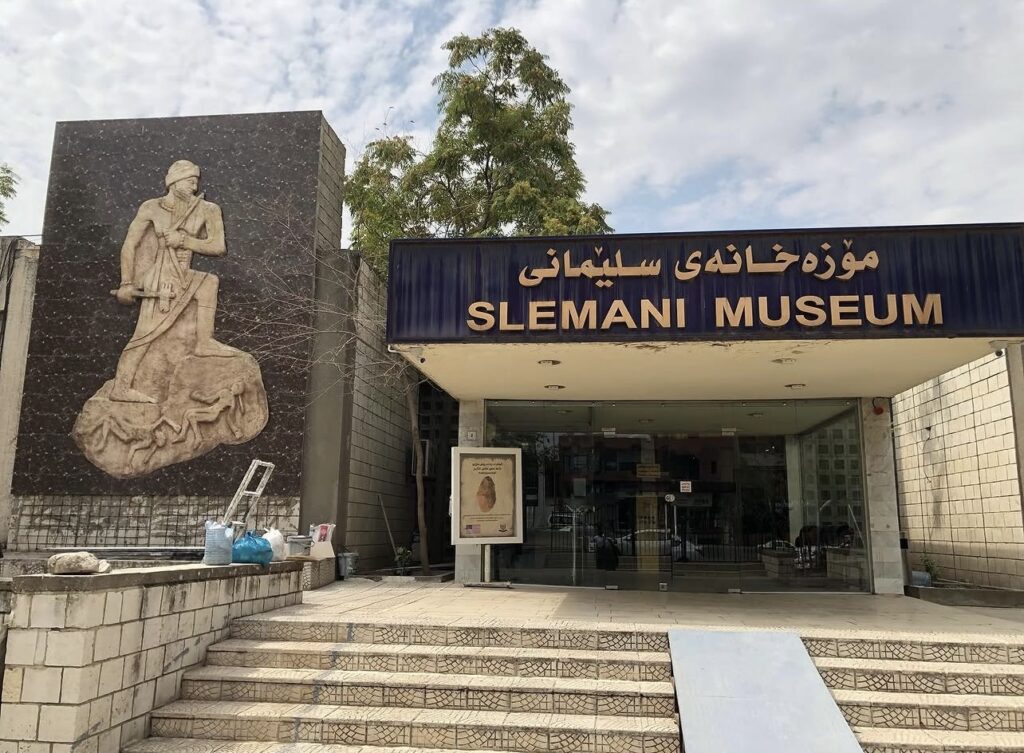
The Slemani Museum is one of Iraq’s most important archaeological museums and the second largest in the country. Located in the heart of Slemani, the museum houses thousands of priceless artifacts that trace the history of Mesopotamia and Kurdistan from prehistoric times to the Islamic and Ottoman eras.
Visitors can explore ancient cuneiform tablets, stone sculptures, pottery, jewelry, and relics from the Sumerian, Assyrian, Babylonian, and Sassanian civilizations. One of the museum’s highlights is its impressive collection of artifacts from the nearby Paikuli archaeological site and its dedicated prehistoric gallery, which showcases discoveries from the caves and settlements of Iraqi Kurdistan.
Whether you are a history enthusiast or simply curious about the origins of civilization, the Slemani Museum offers a fascinating glimpse into the rich cultural heritage of the region.
Hazar Merd Cave – The Home of Early Human Civilization
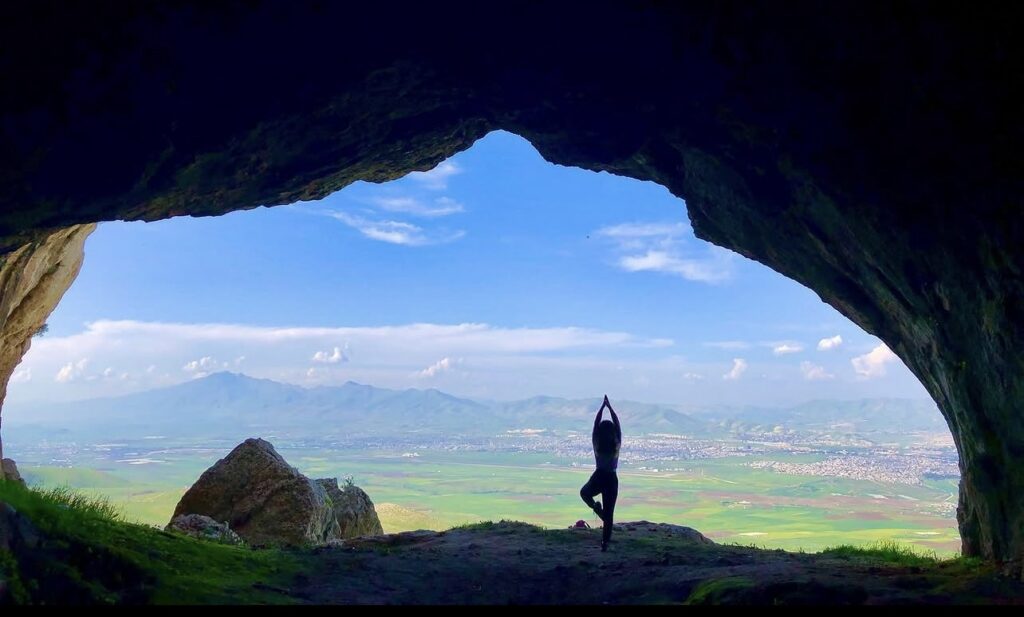
Located southwest of Slemani, Hazar Merd Cave is one of the oldest archaeological sites in Kurdistan. The name “Hazar Merd” translates to “Cave of a Thousand Men,” reflecting the legends and historical significance associated with the site. Archaeological excavations carried out by renowned British archaeologist Dorothy Garrod in 1928 uncovered evidence of human occupation dating back to the Middle and Epipaleolithic periods, making it a key location for understanding early human history.
The cave complex contains large natural chambers where ancient people once lived, hunted, and created stone tools. Surrounded by scenic mountains and overlooking a beautiful valley, Hazar Merd combines natural beauty with archaeological importance. Today, it attracts history lovers, hikers, and travelers eager to experience one of the region’s oldest surviving landmarks.
Qyzqapan Tomb – The Mysterious Rock-Cut Monument
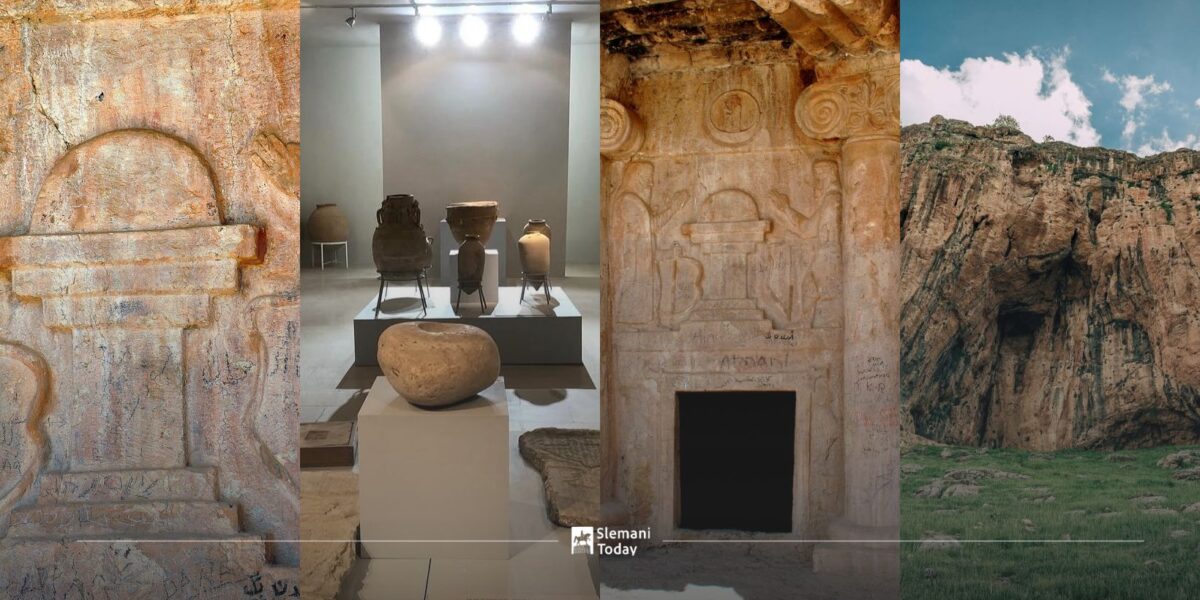
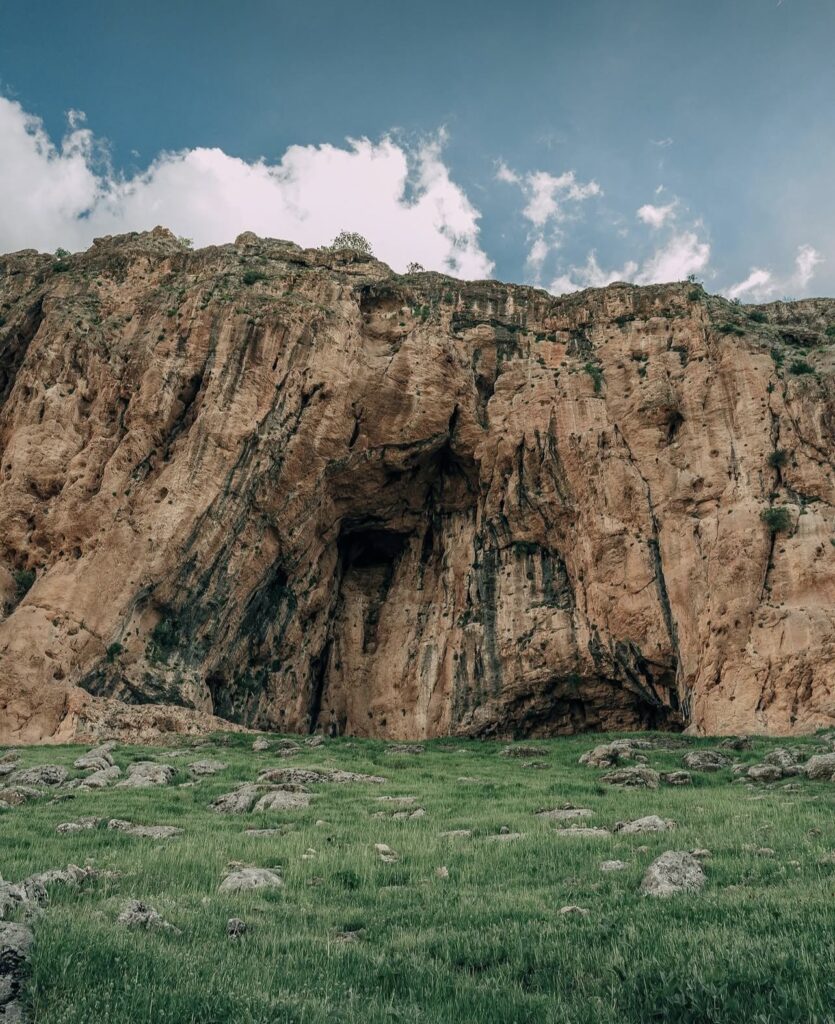
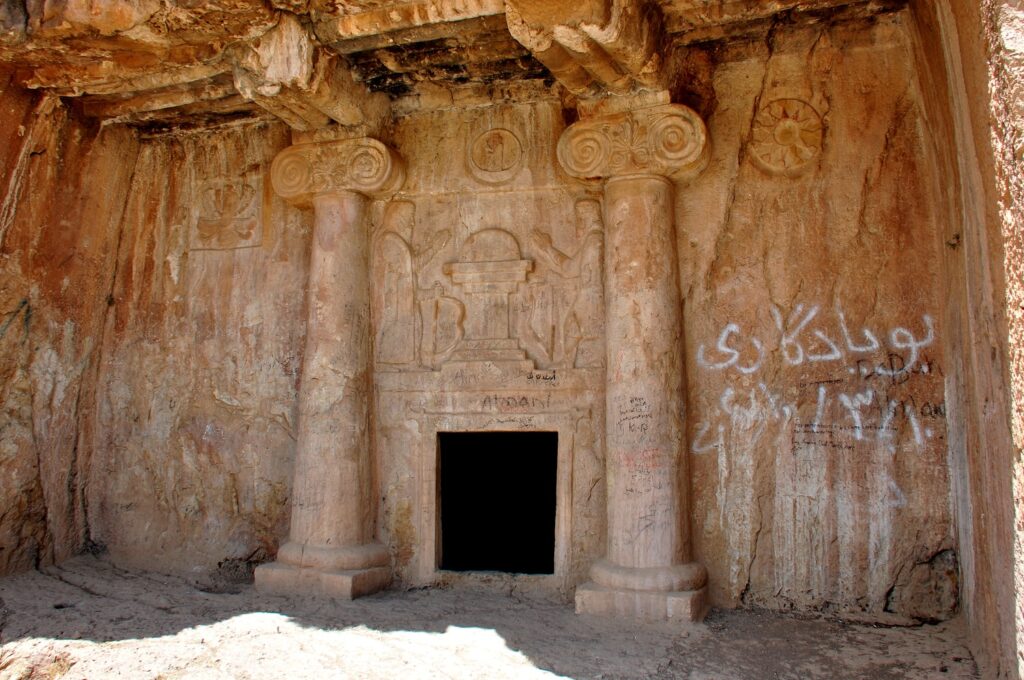
The Qyzqapan Tomb is one of the most iconic ancient monuments in the Slemani region. Carved directly into a towering cliff face, this remarkable rock-cut tomb is believed to date back to the 6th or 5th century BC, during the late Median or Achaemenid (Persian) period. Historians believe it may have served as the burial place of a local ruler or noble figure.
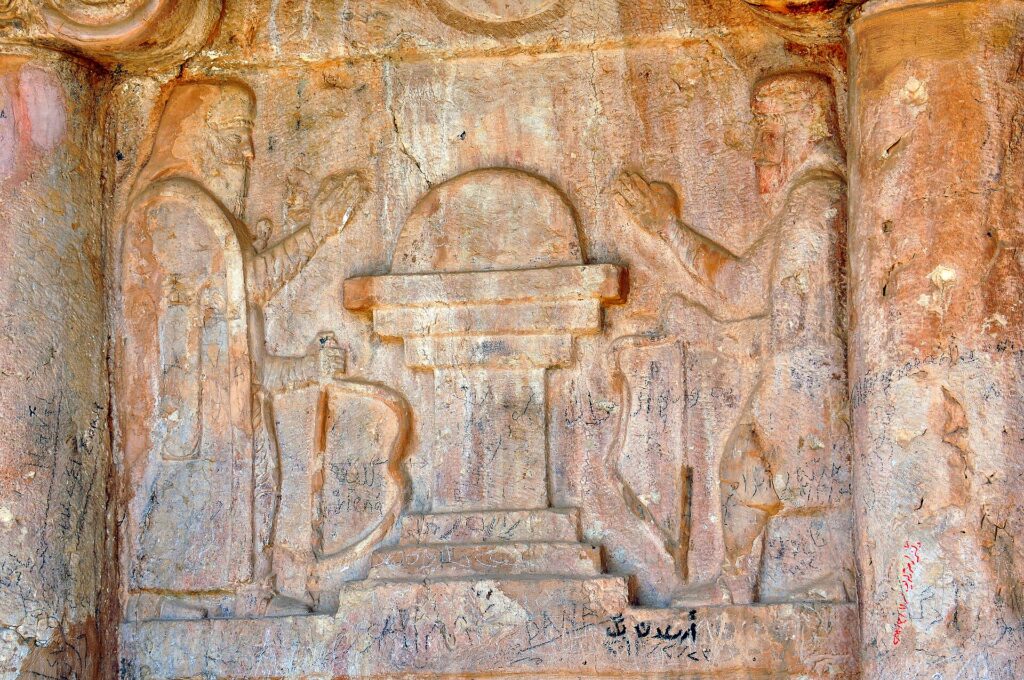
The monument features an impressive façade with carved columns and symbolic decorations that reflect the architectural style of ancient Persian civilization. Its dramatic location among the rugged hills of Kurdistan adds to its mystery and beauty, making it a favorite destination for photographers, archaeologists, and cultural tourists.
Beyond its historical importance, Qyzqapan offers visitors a chance to connect with the ancient past while enjoying breathtaking landscapes that have remained largely unchanged for thousands of years.
From the world-class collections of the Slemani Museum to the prehistoric secrets of Hazar Merd Cave and the majestic Qyzqapan Tomb, Slemani is home to some of the most fascinating archaeological treasures in the Middle East. These sites offer visitors a unique opportunity to explore the birthplace of ancient civilizations and experience the rich history and heritage that continue to shape the region today.