SLEMANI — The New Generation Movement has criticized the prolonged process of forming the Kurdistan Region’s new government, calling on Prime Minister-designate Masrour Barzani to personally meet with the parties that won seats in parliament and present a clear four-year government program.
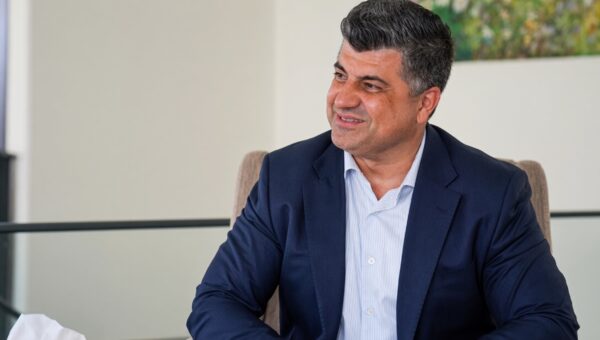
Himdad Shaheen, spokesperson for New Generation, said the current approach to government formation does not reflect democratic principles, arguing that negotiations should focus on policies and the proposed government program rather than personal relationships or political slogans.
Shaheen said that in democratic systems, a prime minister candidate is expected to meet directly with the winning political parties and present a detailed plan for the next four years in order to secure their confidence.
He sarcastically compared the government formation process in the Kurdistan Region to a “marriage proposal,” saying that representatives were being sent to negotiate instead of the prime minister candidate personally engaging with the parties.
Shaheen also criticized Barzani for, in his view, failing to present a clear administrative and political program, saying that references to being a “good guy” and “extending a hand of friendship” were insufficient grounds for political parties to support a new cabinet.
“Discussions must be based on the government’s plan and program, not on personal relationships and slogans of friendship,” Shaheen said.
The New Generation spokesperson said his party wanted to examine the proposed government program before deciding whether to grant a vote of confidence.
“Please present the program to us so we know what it entails and can hold discussions about it,” Shaheen said.
The comments came after Barzani expressed concern in an interview with Al-Monitor over the failure to form a new Kurdistan Regional Government cabinet nearly 20 months after the parliamentary elections.
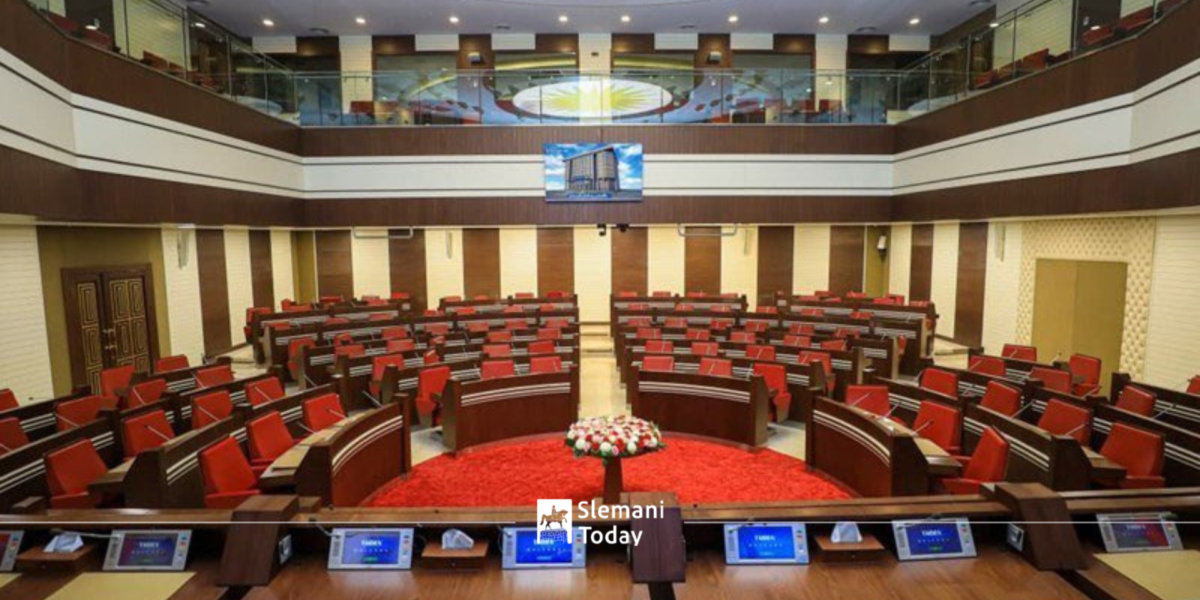
Barzani accused political parties of “holding parliament hostage” and said he would continue extending an “hand of friendship” to political forces to join efforts to form a government, arguing that doing so was in the best interests of the people of the Kurdistan Region.
The formation of the new cabinet has remained stalled amid disagreements among the Kurdistan Region’s major political parties over the composition of the government and the distribution of key positions.