SLEMANI — A severe medicine shortage has brought the health sector in Slemani to a critical point, with pharmaceutical companies suspending supplies to hospitals for four consecutive months over unpaid debts exceeding 50 billion Iraqi dinars.
It has been reported by the officials that medical warehouses across the city have been almost completely emptied after pharmaceutical companies stopped delivering medicines and medical supplies to the Sulaymaniyah area. Health officials have warned that the prolonged shortage could disrupt essential medical services and put thousands of patients at risk.
The dispute centers on unpaid financial dues owed by the Ministry of Finance to pharmaceutical companies. According to the report, the companies have not supplied medicines for the past four months, while the outstanding debt has surpassed 50 billion dinars. The Ministry of Finance has yet to release the funds required to settle the companies’ financial claims.
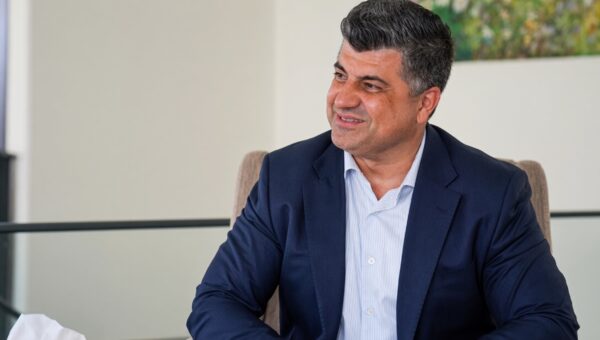
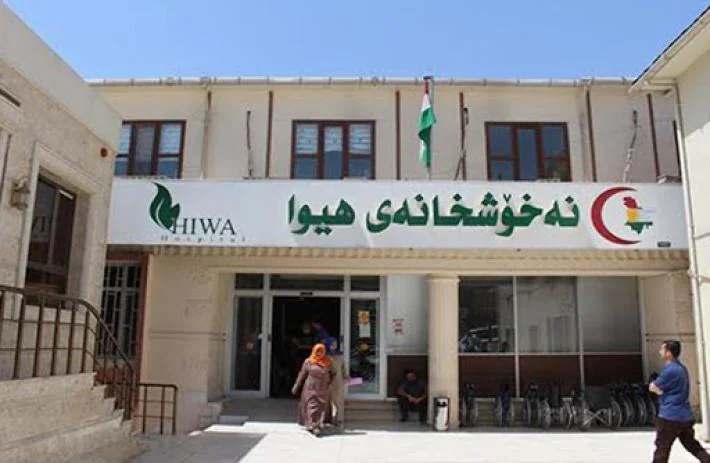
Yad Naqshbandi, director of Hiwa Hospital, warned that the situation could force hospitals to suspend some medical services if the shortage is not resolved soon.
“If the issue is not resolved in the near future, we will be forced to suspend some health services due to the lack of medicines,” Naqshbandi said.
Mazin Frya, director of medical warehouses in Slemani, said repeated requests for the release of funds needed to replenish medical supplies have received no response.
The depletion of medical warehouses has effectively paralyzed a key part of the city’s healthcare system, with hospitals increasingly struggling to secure essential medicines for patients.
Health officials say the situation has reached a breaking point, warning that continued inaction could lead to the suspension of services at some hospitals and further endanger patients who depend on regular treatment.
The crisis has also placed additional financial pressure on the health sector, as unpaid obligations continue to accumulate while pharmaceutical companies remain unwilling to resume deliveries without receiving their outstanding payments.