SLEMANI — The Kurdistan Regional Government (KRG) and the Iraqi federal government are set to introduce the Automated System for Customs Data (ASYCUDA) at border crossings in the Kurdistan Region starting October 1, under a new protocol aimed at unifying customs procedures, standardizing tariff rates and strengthening coordination between Erbil and Baghdad.
According to information obtained by Channel 8, the two sides have signed a joint protocol to integrate the Kurdistan Region’s customs system with the federal system. The agreement is expected to establish uniform customs duties across Iraq and eliminate disparities in tariffs between individual border crossings.
Under the agreement, 50 percent of customs revenues collected at the Kurdistan Region’s border crossings will be transferred to the federal treasury.
The new system is also expected to result in the removal of customs checkpoints located between cities in the Kurdistan Region and other parts of Iraq, according to federal customs authorities.
ASYCUDA system to link Kurdistan crossings with Baghdad
Samer Qasim Dawood, head of the Iraqi General Administration of Customs, said the Kurdistan Region’s border crossings would be connected to Baghdad beginning in October.
He said the primary objective was to implement ASYCUDA and establish a unified customs administration across Iraq.
The system is intended to prevent traders from selecting border crossings based on differences in customs tariffs, which Baghdad says has contributed to disparities in trade flows and customs revenues.
Under the new framework, customs duties would be standardized, regardless of which recognized border crossing is used to enter Iraq.
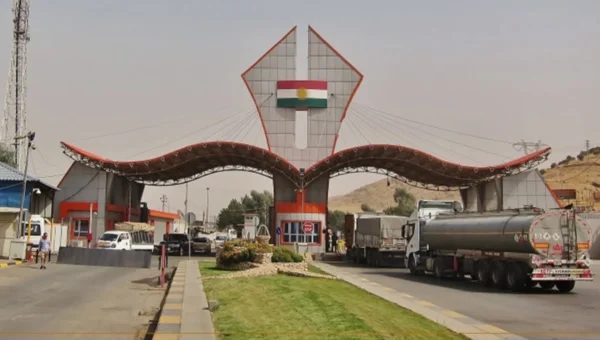
Baghdad has also committed to removing several customs checkpoints between the Kurdistan Region and federal Iraq, including Daraman, Chiman and Bawa Mahmoud, following the implementation of the new system.
The removal of these checkpoints is expected to facilitate the movement of goods between the Region and other Iraqi provinces and reduce additional customs procedures for traders and transport companies.
Six crossings remain subject to dispute
The agreement does not resolve the status of six border crossings that are currently operated by the Kurdistan Regional Government but are not officially recognized by Baghdad.
Kurdistan Region customs officials said there is no decision to close the crossings and that their future will instead be determined by a joint committee between Erbil and Baghdad.
The six crossings are Shoshme, Pishte, Sairan Ban, Kele, Serzeri and Pishkhabour.
Their status remains part of the broader administrative and financial discussions between the federal government and the KRG.
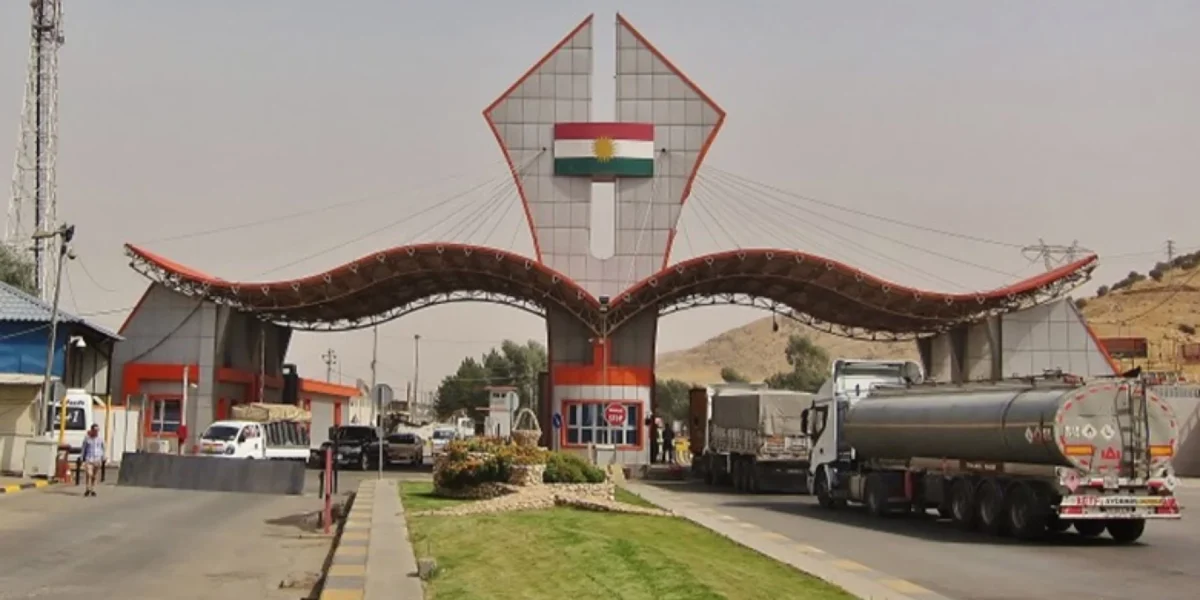
By contrast, four land crossings and two international airports are recognized by both sides: Ibrahim Khalil, Bashmaq, Haj Omran, Parvizkhan, Erbil International Airport and Sulaimani International Airport.
Kurdistan customs revenues below IQD 100 billion
Kurdistan Region customs officials said monthly customs revenues currently remain below IQD 100 billion.
Officials attributed the decline in revenues at several crossings to regional political and security developments.
Customs revenues at Bashmaq, Haj Omran and Parvizkhan have reportedly been affected by regional tensions and the conflict involving Iran, which has disrupted trade and cross-border economic activity.
Officials also said the disparity between the official and market exchange rates for the US dollar has negatively affected customs revenues at the Ibrahim Khalil border crossing, the principal trade route between the Kurdistan Region and Türkiye.
Revenue-sharing arrangement
The transfer of 50 percent of customs revenues to Baghdad is a key component of the new protocol.
The arrangement forms part of broader efforts by the federal government to establish greater uniformity in customs administration and revenue collection throughout Iraq.
For Baghdad, the integration of the Kurdistan Region’s customs system would increase federal oversight and ensure that customs revenues are administered through a common framework.
For the KRG, the agreement represents another area of financial and administrative coordination with Baghdad amid continuing discussions over the distribution of revenues and the implementation of constitutional arrangements between the two governments.
Unified tariffs intended to end disparities
A central objective of the protocol is to eliminate differences in customs tariffs between border crossings.
Under the existing system, varying tariff rates can create incentives for traders to direct imports through crossings where customs charges are comparatively lower.
The introduction of ASYCUDA, combined with standardized tariffs, is intended to address this disparity by applying common customs procedures and rates across recognized crossings.
The electronic system is also expected to improve the collection and exchange of customs data, allowing authorities in Erbil and Baghdad to monitor trade and customs transactions through a unified platform.
Implementation begins October 1
The new customs framework is scheduled to take effect on October 1.
Its implementation would mark a significant step toward integrating customs administration between the Kurdistan Region and the Iraqi federal government.
However, the status of the six crossings not currently recognized by Baghdad remains unresolved and will be left to the joint committees established by the two sides.
If implemented as agreed, the protocol will introduce a unified electronic customs system, standardize tariffs, transfer half of Kurdistan Region customs revenues to the federal treasury and remove several internal customs checkpoints between the Region and federal Iraq.