SLEMANI — The Kurdistan Regional Government (KRG) and the Iraqi federal government have reached an understanding on two key files, border crossings and energy supply, as part of ongoing efforts to reduce financial disputes between Erbil and Baghdad, KRG Deputy Prime Minister Qubad Talabani said.
Talabani said negotiations between the two governments had produced an agreement to jointly implement the Automated System for Customs Data (ASYCUDA), while rapid measures are also being taken with the private sector to prevent fuel shortages in the Kurdistan Region during the winter.
He said the agreements on customs and energy could provide a basis for addressing outstanding financial disputes between the KRG and the federal government.
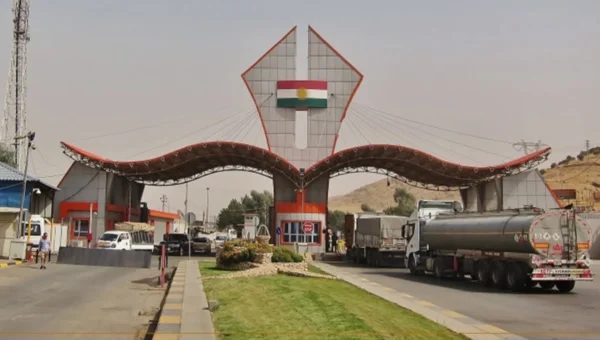
Regarding border crossings, Talabani said Erbil and Baghdad had reached a joint understanding on implementing ASYCUDA, which is intended to improve transparency and oversight of customs operations.
He said the two sides were working to establish a transparent system that would provide comprehensive information on goods entering and leaving the Kurdistan Region through its border crossings.
Talabani also stressed the need for customs revenues to be disclosed and for the mechanisms through which those revenues are spent to be clearly identified for all relevant parties.
He further pointed to ongoing coordination with Iraqi Prime Minister Mohammed Shia Al-Sudani on financial and administrative matters.
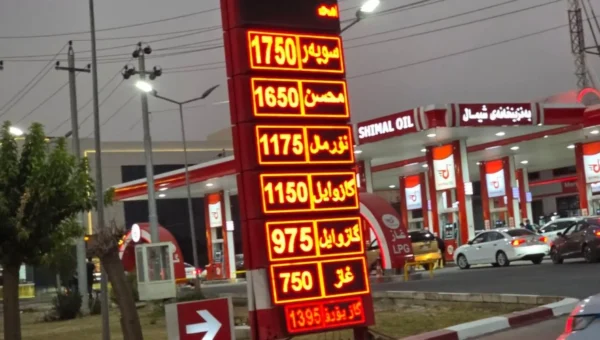
On fuel security, Talabani said the KRG was continuing contacts with Baghdad to prevent any shortages in gasoline supplies across the Kurdistan Region.
He added that the regional government was also coordinating with refinery owners, fuel station operators and other relevant stakeholders to ensure that the region’s fuel requirements are met through the winter and beyond.
The latest understanding comes amid longstanding financial and administrative disputes between Erbil and Baghdad, particularly over customs revenues, oil and non-oil revenues, public-sector salaries and the Kurdistan Region’s share of the federal budget.
Both governments have in recent months sought mechanisms to improve coordination over customs and energy-related issues, with ASYCUDA viewed as a key tool for increasing transparency at border crossings.